Reading & understanding
Read a short passage together. Ask what happened, then give the child time to respond.

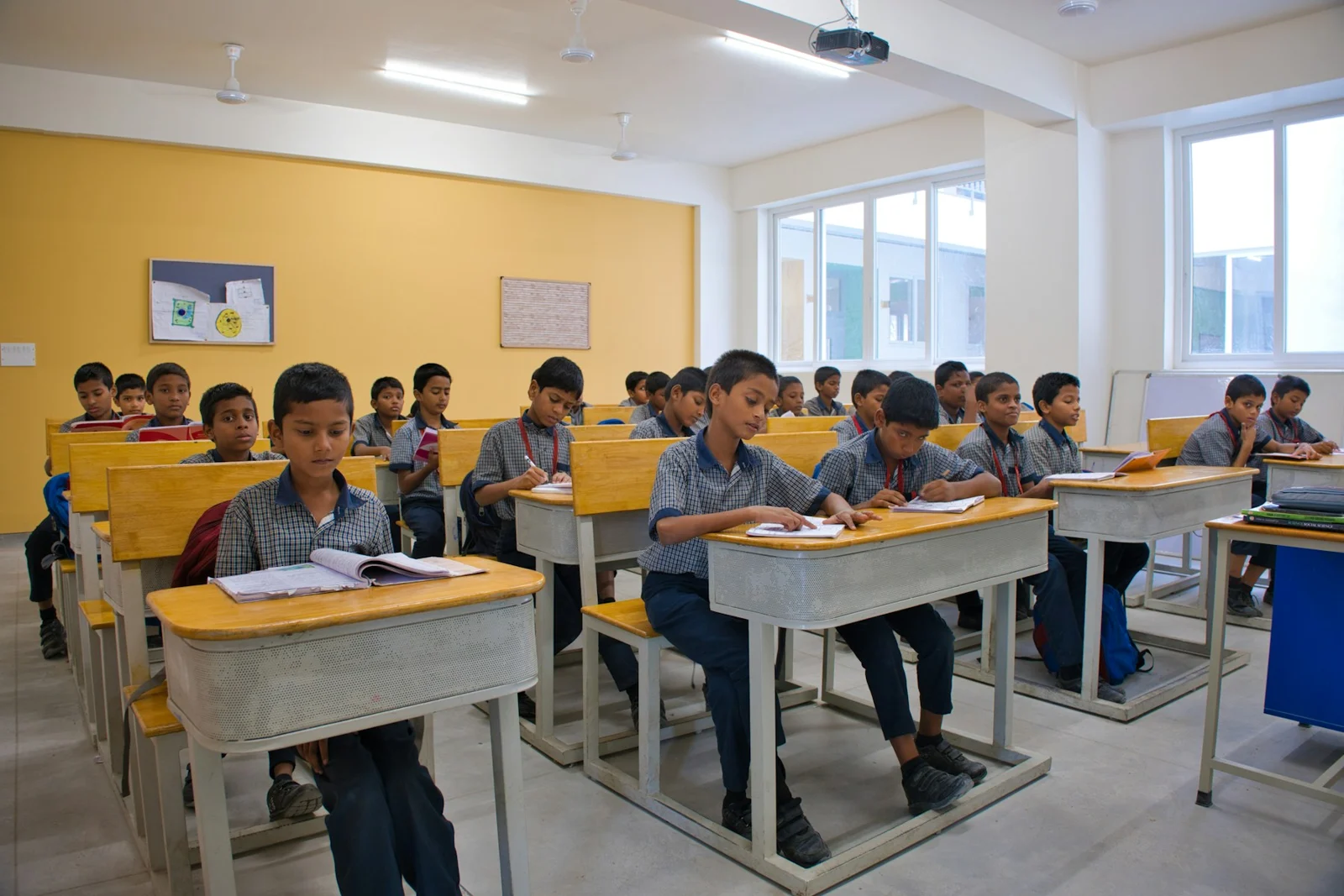
Books, patient learning support, and time to practise.
For one child it may be a school bag with a working zip. For another it may be time to practise reading without feeling embarrassed. The answer is not always a new textbook.
Read a short passage together. Ask what happened, then give the child time to respond.
Help children work through a lesson, writing task or maths problem at their own pace.
Match books and stationery to the learner’s language, class and needs.
A short, familiar session can help children settle in. Begin with a conversation, choose one task, leave room for questions, and finish by agreeing what to practise next. Families and educators should have a say in this routine.
Agree the purpose, people involved, location and timing before making a commitment.

Complete pages, readable print, suitable language and the correct edition.
Usable blank pages, secure binding, working pens and pencils.
Clean bags with working straps, zips and fastenings.
Offer patient listening and gentle encouragement when a child gets stuck.
Organise books and simple activities by language and learning level.
Check condition, group items clearly and label boxes before handover.
Listen to preferences, respect a decision to decline, and avoid asking people to retell difficult experiences unnecessarily.
Take photographs only with appropriate permission. Share the minimum personal information needed to organise support.
Start with a clear description of the people, materials and practical constraints.
Confirm responsibilities and a point of contact before collecting or travelling.
Note what was useful, what was left over and what needs a follow-up.
Record contributions, quantities and their intended use. Keep receipts and relevant handover information together.
Meaningful follow-up asks whether the support was suitable, not just how much was distributed.
Read about contributionsYes, subject to current requirements. Check completeness, language and learning level before offering them.
Some practical roles do not require teaching experience. Roles involving children need appropriate preparation and safeguarding arrangements.
Please discuss the available support arrangements with us. We do not publish children’s personal details as part of fundraising.
Contact us to confirm current locations, schedules and participation arrangements before visiting.
Food, learning, health and family welfare all need thoughtful preparation. Your contribution can help with the practical work behind community support.
For an earmarked contribution, talk to us about current needs first. Keep your payment reference for any follow-up.
Read donation informationChoose the appropriate route for your contribution.
Never share a banking password, card security code or UPI PIN in an enquiry.
A question, a skill to share, or something useful to contribute. Start with a few details.
